Author: Claire

  • Aging gracefully? How about *realistically*?

    Aging gracefully? How about *realistically*?

    Last week I accidentally discovered that once upon a time, a brand shared an ageist meme on one of their social channels. Now, The Brand isn’t a household name, so I won’t mention them. Quite frankly, I have no interest in exposing anyone today. Doing such a thing would be pointless, and I have a greater point.
    Actually, the meme I’m referring to was a social post about Biden. It featured a snide comment about his supposed mental decline.

    Why was I bothered? Although I’m not a senior, I’m older than some people think. And like most of us, I’m also related to people who actually are senior citizens.

    Looking over the border at American politics, Biden’s neither my most loved or despised president. Yet reading the post’s comments about him losing his faculties, I wondered if The Brand had considered the type of messaging that they were sending their customers–especially their older ones. More broadly, I caught myself speculating about how The Brand’s founders–and people in general–perceive aging.

    ProTip: When you share a piece of media, even if you didn’t author it, sans disclaimer, the understanding usually is that you approve of what it has to say.

    Other than that image, The Brand seemed to have a progressive stance. And so do I. That’s why it surprised me that they shared something that would leave me so annoyed.

    And then, another thought took hold: Considering popular media narratives about what’s supposedly in store for us, it’s hard for me not to think of the young (and not-so-young) who are in for a very rude awakening as they start to age in real time.

    Personally, I need to make a few adjustments to ensure that I continue to age well. And degenerative diseases are a very real thing.

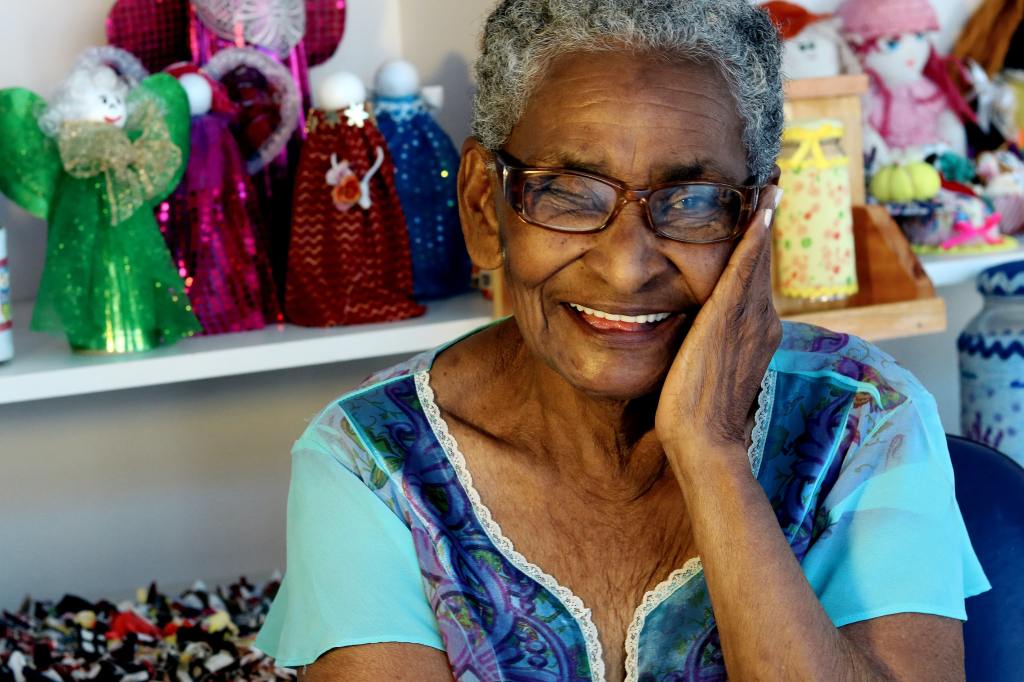
    But as I said, some of you are in for a surprise. I wonder what will happen when you wake up at 40, 50, 60, and beyond, and the most noticeable thing that’s changed about you is that your hair is greyer and you’ve gained a few pounds and/or wrinkles.

    Getting older doesn’t automatically guarantee complete physical or mental disintegration.

    The media’s 30-Under-30 lists won’t prepare you for this. And honestly, it can be a little stupefying to wake up past A Certain Age and not feel nearly as awful as folks say you should. And even when you’re not That Old, sometimes you might find yourself wondering “Wait. People aren’t talking that much about…This.” Whatever this is.

    Quite honestly, I feel like our push for diversity and equity in representation ought to include age. Some outlets could do a better job of representing realities of getting older, instead of perpetuating myths that feed into audiences’ insecurities.

    The truth is, aging is a huge gamble.

    The main thing that bothers me these days is how unpredictable aging can be. Sure, as the years go by, your parents could need an assisted living facility. They could also be on the verge of being An Age that I’m Contractually Obligated Not to Mention, still taking care of their own lawn and snow, and threatening to climb trees in the summer.

    But you didn’t hear that from me.

    Seriously, though. It’s hard not to look at the variations in older folks’ realities–even within your own family–and wonder what’s in store.

    In the meantime, here’s to telling the truth. Especially about things like getting older. It’s not always as awful as some like to claim.


    Photos by Vladimir Soares and Logan Weaver – Unsplash

    568 words

  • Get a grip. Or not.

    Get a grip. Or not.

    This afternoon when I saw Blavity’s latest newsletter, this story caught my eye.

    Apparently Beyoncé had a post-Grammys party. Harry Styles was there. He put his feet up on a table, and some folks thought it was disrespectful…?

    Never mind the reactions in the newsletter. I’m just focused on the image that sparked ire.

    Can we all take a breath? (And if you look closely, his foot isn’t actually on the table.) Now, I get feeling like you relate to your favourite public figure. But here’s something I’ve learned through observation and self-reflection: Making assumptions about celebrities and their colleagues’ behaviour doesn’t bring you closer to them. Even if you do have good intentions.

    Not that that’s an actual motivating factor for everyone. But sometimes, on a psychological level, I wonder what is

    I realize that paragraph might seem rude. That’s not my intention. Rather, I’m hoping to inspire a bit of introspection. (And I totally get the desire to defend Bey against the perceived evils of this world! But what happened here seemed pretty benign.)

    ‘Cause you know what I see when I saw Harry’s foot? Half of a pair of Adidas shoes. And Adidas produces Bey’s Ivy Park.

    Exhale, everyone. EXhale


    Photo by Grailify on Unsplash.

  • “Bring back personal blogging”?! Yes, PLEASE!!

    “Bring back personal blogging”?! Yes, PLEASE!!

    There are times when you read something and can’t relate. And then, here are the times you read an article and think, “OMG. GET OUT OF MY HEAD!!” 

    Dear Reader, this was one of those times.

    Get into this article by Monique Judge: Bring back personal blogging

    Although it was published last year, I found it about a week or two ago. And it came right on time. 

    Before 2023 began, I’d started to think about the type of writing I wanted to do this year. At the top of my list was a serious rejection of social media, along with a reinvestment in my blog. 

    Back in the Day

    My first impression of Monique’s work?

    It was refreshing to read something written by someone who remembers The Before Times. 

    No, I’m not talking about our pre-COVID days. I’m talking about the time when we humans existed before the internet–or at the very least, social media–took over our lives. 

    In the beginning, there were blogs, and they were the original social web. We built community. We found our people. We wrote personally. We wrote frequently. We self-policed, and we linked to each other so that newbies could discover new and good blogs. 

    I want to go back there.

    Monique Judge – “Bring back personal blogging”

    Me too, Monique. Me too!!

    I remember when Blogger first came on the scene. I felt thrilled at the idea of being able to share my thoughts on a site dedicated to me, and my writing. 

    Getting Social

    In her piece, Monique mentions social media and the disadvantages of not owning your own content. When I used Instagram regularly, I would see it all the time–people who use the app as their business website, where they shared their most important content, and sold their products. 

    Time and again, I’ve wondered, “But what happens when Instagram goes down?”

    Elon’s Twitter antics have been a harsh reminder that your content’s fate could depend on the whims of whoever owns your favourite app. And I’m not okay with leaving my work in their hands.

    Put yourself over your social profile

    Meanwhile, my main concern with social media has been its effect on my inner being. True, it’s given me access to friends and family, information, and diversity–all things that I value. Yet over the years, I’ve also let my guard down. The more attached to social media I became, the more I let my attention span whither. Social media has also needlessly increased my anxiety surrounding what I post: In the past, I’ve ended up judging the value of my opinions, spent hours worrying about potential trolls, etc.

    And that’s not healthy.

    I’ve also seen people lose sight of reality. 

    Social media has put us all at risk for harbouring unrealistic expectations of ourselves and others. At times it seems as though hero-worship is at an all-time unrealistic high. On the other side of that coin, I’ve noticed people who seem to believe that their follower count is a sign of their superiority. This isn’t a particularly new thing. But experiencing the brunt of such a person’s entitlement can be jarring.

    Thankfully, time spent away from social media can bring us all down to earth. (And I realize that it’s easier said than done, especially when your job depends on it. But certain tools exist that can lighten your load, or at least offer a bit of distance between you and social sites.)

    Creation, not consumption

    Getting back to Monique’s article: I miss those early internet days. Even if all I did was share my occasionally misguided thoughts on Star Trek… 

    Over the past few years I’ve been thinking about an approach that I’ve seen lately in writing: Be a producer, not a consumer. 

    I want to concentrate on creating content, without feeling the need to obsessively consume it. And with the amount of ideas that are in my head, that might be for the best.

    Somehow I think that back in those early days, my relationship with the internet was much healthier. Over the years, changes in our phones have resulted in us having apps which brought their own sense of obligation along with them. And this has been to our detriment.

    Do not let things master you.

    A while ago I removed social media from my phone. I tried reinstalling certain apps late last year, but that didn’t last long. 

    I have no idea of what I’ll do in the months ahead. But if you find yourself having to actually use social media, yet struggling with your addiction to it, know this: You can access the essential social apps–Twitter, Instagram, and Facebook–via web browsers and different posting tools. And remember, you don’t have to lurk–you can post and leave.

    The reach and freedom that technology can bring feels nice. But feeling beholden to it? Not so much.


    Photo from CreateHER Stock Photography

  • Is God Is isn’t discriminating

    Is God Is isn’t discriminating

    Yesterday I wrote and meant to share this draft. Today, not only did I learn that it wasn’t published, but the details surrounding my subject may have changed.

    One story claims that Is God Is‘ Black Out Night has been cancelled. Yet details are still on the National Arts Centre’s website. As a popular Oprah gif says, “So what is the truth?”

    Edited image – Original via Jessica Felicio on Unsplash

    While wandering through the internet, I learned that there’s been a bit of a buzz surrounding this:

    Is God Is introduces the first NAC Black Out Night.

    Long story short, Is God Is is a play featuring a Black cast. It is written by a Black woman, Aleshea Harris, and its central characters are Black women. Here in Canada, it will be showing in February at the National Art Centre. And one of its performances has been reserved for Black (or Black-identifying) audiences. 

    Where does the buzz come in? Well, there are a few articles out there that present these pending showings–referred to as Black Out Night(s)–as a problem.

    Most of the titles of said articles make me cringe. Their writers and editors seem incredibly determined to paint a Black-focused event in a negative light. 

    Which made me wonder: What’s really going on here?

    What’s the REAL problem?

    What are people actually objecting to? And just what is it that they are they afraid of?

    People have complained about Is God Is‘ Black Out performance using loaded terms like “segregation”. I’ve even seen a headline that says as much. Yet let’s take a look at that word for a moment. In fact, let’s go back in time and think about how segregation was actually practiced. 

    I know my country has a bigoted past of its own. Yet when I hear “segregation”, the first thing I think of is the Jim Crow laws of the United States, and the discriminatory practices that inspired the Civil Rights Movement. Fast forward to today: In their daily lives, are the people who aren’t invited to Is God Is‘ Black Out performance being treated in an inferior way? Are they barred from seeing the play altogether? And are they being harassed for simply not being Black? 

    The hostility that this Black Out performance has been met with suggests that negative assumptions have been made simply because Black people have been invited to attend a gathering. And what are the complainants’ actual fears? 

    Why is it that whenever BIPOC or other marginalized people plan a get-together that focuses on us, certain people are ready to declare war? Such antagonism suggests an underlying concern: Perhaps they believe that a Black-only (or Black-focused) meeting means that we are on the verge of plotting something that they might not like…? Dear Culturally-Paranoid Personnel: Our lives are not so focused on you that we plan events that do not include you in an effort to make you miserable. Honestly. Black people have the right to seek to restore our souls in peace.  

    Over the past few years, I have seen ignorant people look at initiatives such as Black Out performances and automatically assume that the creators’ intentions are nefarious. If that is you, then you need to take a breath. When Black people and members of other vulnerable groups gather to experience art, it is because we are interested in enjoying ourselves in a healing environment. Art truly is a medium that has sacred, restorative power.

    Turning the Tables

    Thinking about this kerfuffle surrounding Is God Is, I couldn’t help but wonder: If we were talking about a women-only showing of The Vagina Monologues, would the complainers be as loud? 

    Dear Reader, I’ve likely explained my tactics before. Yet in these situations, I tend to use analogies involving sex or gender. For, you see, somehow, SOMEtimes when you change the differing factor to something that Certain Folks find more palatable, all of a sudden, what’s being complained about becomes relatable. Yet because race is involved, for some reason, these same people insist on being enraged. Especially when the race of the people involved happens to be Black.

    People who have this type of bias need to consider why they think as they do.

    I will say this as a Black woman: There is something special about experiencing culturally impactful material when you are among an audience of your peers. Meanwhile, in today’s world people are determined to be enraged over issues that have nothing to do with them. I can’t help but want to ask such individuals: Why are you angry about not being invited to a performance that you otherwise likely wouldn’t be interested in in the first place?

    I also know that Is God Is is showing in February. At this point it’s incredibly hard for me not to recognize that there are folks who don’t even want to let Black people enjoy a performance that is dedicated to a Black audience during Black History Month.

    Yet if we can’t enjoy a work of Black-focused art then, then when?!

    Realizing that people really are that selfish, I’m bracing myself for the days to come. I have no doubt that next month there will be further incidents involving people who are determined to be upset about Black folks who aren’t doing anything that is actually harmful, but are merely… *checks notes* celebrating their culture and themselves. 

    Honestly. I am so tired of all of this.

    We deserve to be free.

  • Open to Interpretation

    Open to Interpretation

    The other night I was reading the Bible when I came across a real banger* of a passage about justice.

    Woe to those who make unjust laws, to those who issue oppressive decrees, to deprive the poor of their rights and withhold justice from the oppressed of my people, making widows their prey and robbing the fatherless. – Isaiah 10:1-2

    This led to me just now letting my mind wander, and think about the way the Bible talks about two things: Justice, and how God’s people are supposed to treat the poor.

    I don’t believe in sugar-coating scripture. I won’t sit here and deny that it has difficult passages.

    What I will do is state the obvious: Scores of people set their worldview according to how they interpret the Bible. And the Bible is a book that people can choose to interpret in a way that either helps or hinders humanity. It floors me—the number of people who choose to interpret it in evil, downright selfish ways, yet believe that they are helping their fellow human beings.


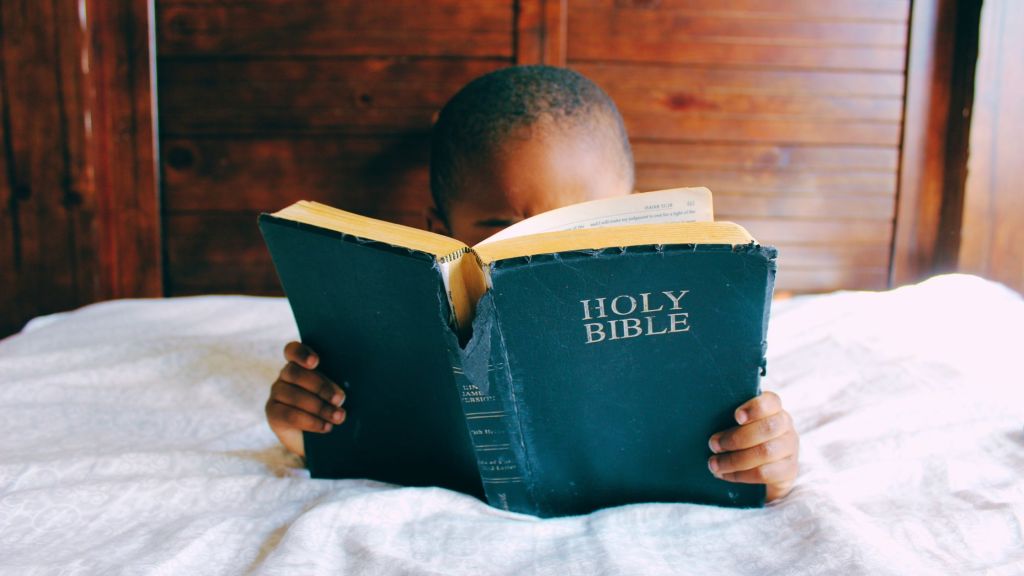
    Photo by Samantha Sophia on Unsplash

    *It might not have been the quoted verse, although I was in Isaiah.

  • Getting OLDER? Keep cozy, Friends.

    Getting OLDER? Keep cozy, Friends.

    I have never resented aging. But the way that society and the media handles it…? If you listen to their noise, you could very well get a complex.

    ‘Round these parts, the stench of the media’s latest agist disaster is still in the air. Every now and then on Twitter, someone seems stunned when a woman’s face has barely changed after 20+ years of being an adult. (Psssst! Forty-something isn’t that old.)

    Going grey? Good for you!!

    In spite of how amazing we are in real life, to some, the further a woman gets past 40—or hell, even 30—her days are numbered. We have misogynists flummoxed. For, contrary to the content of their Kool-Aid, we exist in this space where we’re not supposed to be relevant.

    If you’re an older adult, I salute you. I mean us. Here we are. Alive. Kicking. Killing it. Still living, breathing, and beautiful.

    What’s a woman to do?!

    Naturally, since this issue is one that affects me, my thoughts are still developing. But in the meantime?

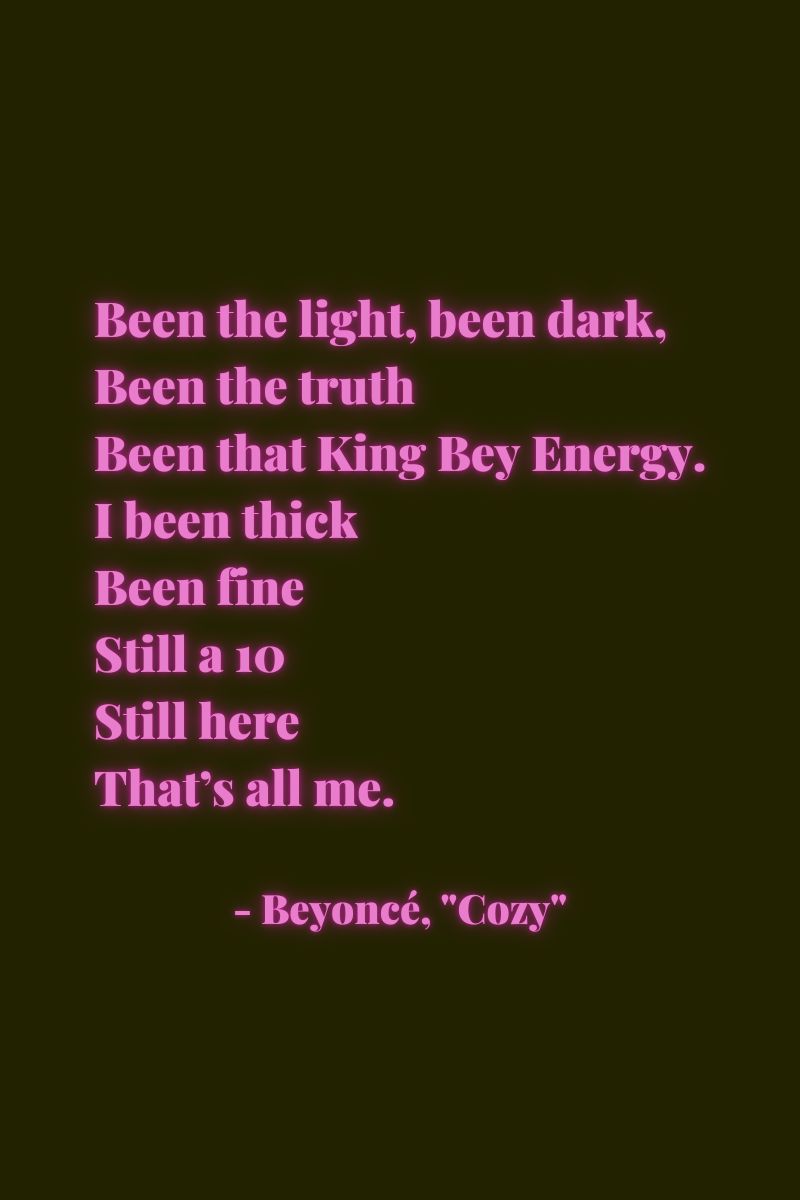
    Stay cozy, friends.


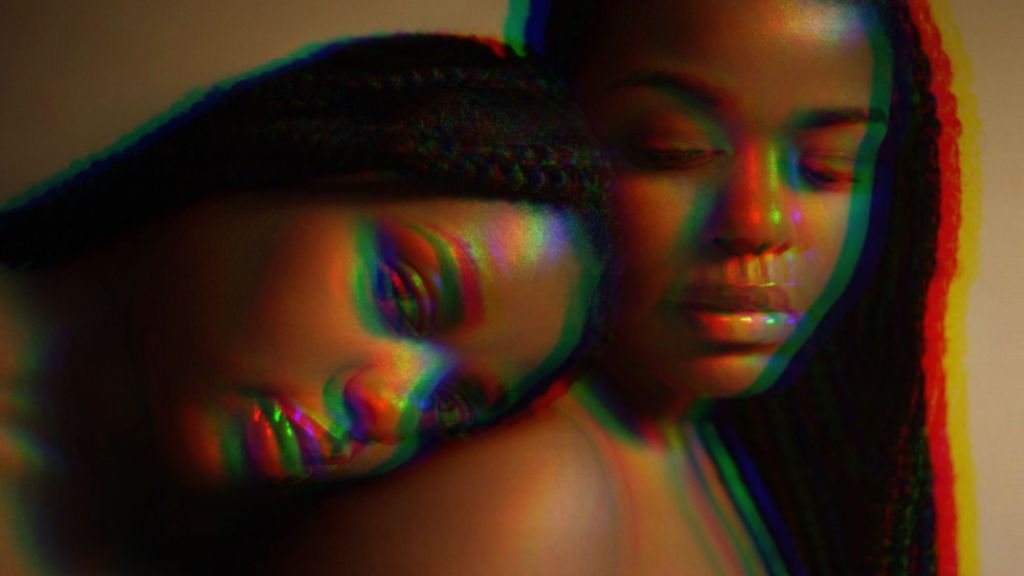
    Photo via Natasha Brazil on Unsplash.

  • Alopecia, anyone?

    Alopecia, anyone?

    As an adult, in some small way, I’ve probably always had an issue with hair loss. In 2018, I was under a lot of work-related stress. I remember that back then, a space that was nearly the size of a quarter in diameter cleared out completely. Luckily, while on the job, I hid my hairless territory via a hairstyle involving a faux ponytail. But before that time, that section of my head had been a trouble spot for years.

    My real rude awakening came a little more recently.

    Over the last several years, I’d been rocking crochet braids. For the uninitiated, this is a style where you cornrow your hair, then use a latch hook to attach extensions to your head.

    Unfortunately, while styling my hair this way, I’d made a major faux pas. At the beginning of my braid journey, I was vigilant about washing or soaking my braiding hair in a mix of conditioner and water.

    Just FYI: In case you’re reading this and don’t know, braiding extensions are often made with chemicals that can cause your scalp to itch severely. Via YouTube, I quickly learned about the importance of washing extensions, or soaking or soak them in an apple cider vinegar and water mixture before using them. Doing this dilutes harmful chemicals and eliminates the itching.

    But over time, I didn’t always bother with this ritual. Today, I feel like this is an awful thing to admit, and perhaps a bit of a dangerous practice. Especially considering the way my scalp responded. In hindsight, I wonder if braid extensions’ chemicals can be blamed for more than just physical discomfort.

    And while I’m informing people, let me share this reminder: If you wear braided styles, wash your extensions! I don’t care how expensive they may be, or how good a brand’s Instagram account may look. One of my most aggravating crochet-braid experiences came after I used one of the most popular crochet hair brands available.

    The look they provide is stunning, and if my hair grows back, who knows? I might even use their products in the future. (Is that horrible for me to admit? Maybe.) But they’re absolutely not getting anywhere near my head without a thorough soaking.

    Where was I? Oh yes! The story of my hair’s demise!

    Facing the Truth

    Between 2020 and 2021, when I wasn’t wearing braids, I tried twisting my natural hair. Back then, it was about shoulder length. In the back of my mind, I had a pretty liberating motivation for my new hairstyle: I wanted to cultivate a set of locs. But a key problem put me off of following through. After one twisting session, I looked in the mirror. I remember feeling around the roots of my twists. Across my entire scalp, there was a disturbing difference in my hair’s thickness.

    From just above my ears, down, I couldn’t ask for thicker hair. No one could. The lower back of my head was—and is—extremely fertile ground.

    But the front and crown of my head told a different story. The twists in this region were about 50% thinner than the others. I didn’t know why. But I knew it was a problem. I twisted my hair once or twice after that, and noticed the same results.

    Flash forward to the latter half of 2021. I decided to face the truth. I bought clippers and cut my hair. The end result was short—no more than 1 or 2 inches long. And in spite of a normal front-facing look in selfies, the sight of my scalp had me worried.

    I could mess around with combing and brushing techniques all I wanted. But my hair was thinning. And it was obvious.

    By December, I’d had enough, and on New Year’s Eve, aka my cousin’s birthday (Hey, M!), I decided to act.

    I took out the clippers that I’d bought for my previous haircut, and I shaved my head.

    Acceptance?

    Since that day, the shortest guard on my clippers has become my very best friend.

    During the first half of this year, every couple of weeks, I clipped my hair. Later on, this spring, I was on the verge of giving myself a buzz every week. Sometime in the summer, though, I paused. I let my hair grow out.

    I’m not quite sure of why. I think one part of me was feeling regretful over this new segment of my routine. Another part of me could hear the echoes of my ancestors telling me, “Your hair is your crowning glory…”

    Eventually, the urge to investigate became stronger than my sense of denial. I needed to face the reason for my disappearing mane.

    Earlier in the year a family member had encouraged me to see a doctor about my hair’s demise. I made an appointment, but I was nervous. In the past, I’ve sat across from medical professionals who have dismissed my concerns about odd symptoms. But my current doctor replaced my old one years ago, and I haven’t seen him very often.

    Thankfully, in spite of my doubts, deep down I felt empowered. With my last cut several weeks in the distance, the evidence I needed to prove my case was growing, or should I say not growing, out of my head.

    Once in my doctor’s office, I found myself relived to get to the point. “I’m losing my hair…” I said, and showed him my scalp.

    “People get alopecia for a few different reasons…” I sighed, thankful to be taken seriously.

    As a first step in exploring the roots (!) of my problem, he arranged for me to have some blood tests. Time will tell if they reveal anything.

    After months of casual speculation, my doctor’s attitude was refreshing. Hearing him use actual terminology for what I was going through made me feel validated and, in a sense, vindicated. All along, deep down, I knew I had alopecia. (From what I understand, if you’re losing your hair, this condition doesn’t go by any other name.)

    But the reason that I have it remains a mystery.

    In the days when I was playing Dr. Google, I thought it was CCCA alopecia. But it could also be hormonal, or originating from something else.

    From what I’ve seen of both sides of my family, the older women all have healthy heads of hair. Therefore, I don’t think it’s hereditary.

    The main thing I’m wondering right now is how long I’ll have to put up with this. Is my alopecia something I will need to live with the rest of my life, or do I have a treatable version of this condition?

    As I said, steps are being taken to investigate. All I can do now is be patient.

  • Losing Lisa LaFlamme: Familiar Territory

    Losing Lisa LaFlamme: Familiar Territory

    In case you’ve missed the news over the past week or so, here’s a nugget for you.

    Here in Canada, Lisa LaFlamme, the anchor of CTV News’ 11PM broadcast, was dismissed.

    Since it was first released, this story has become international news: In the United States, People and The Hollywood Reporter have published their own summaries of what happened. The last time I checked Google, stories have also been published in various languages.

    LaFlamme’ firing came as a complete shock to her fellow journalists, both at CTV and elsewhere.

    And then, there are her viewers. All across Canada, people from all walks of life were stunned by the news.

    If you’re reading this from abroad, for some reason an internationally-adequate analogy isn’t coming to me right away. I feel like I need an illustration to explain the impact of what’s going on. But just imagine if, without any warning—or publicly-known indiscretions on their part—someone fired one of your country’s most well-known and respected public figures.

    Many people would be shocked and have questions. And in this case… We are, and we do.

    Over the past few days I’ve had a lot to say on this topic, but I don’t know if I’ll have time to share my thoughts publicly in writing. Every time I’ve googled news about LaFlamme’s ousting I’ve been met with numerous new takes on the matter. A lot of necessary words have already been said. But today, I heard about this tweet:

    Let’s read that again, shall we?:

    “There is no reason whatsoever to believe a woman wouldn’t fire a woman because she’s a woman; it happens all the time, if that woman’s job depends on doing it.”

    Heather Mallick

    Journalists have written quite a bit about the role that age and gender discrimination may have played in what happened. At this point I don’t feel an urge to read more opinion pieces about what went on. Their headlines tell me more than enough. And those of us who are disgusted by what happened are likely all thinking the same thing.

    But the quotation that Valentyne shared struck something in me. I remember reading that one of LaFlamme’s female bosses balked at the idea of firing her due to sexism. Her reaction drew heavily from that good old, “How could I be prejudiced against you, when I’m one of you?” excuse. Inside, it made me chuckle, as it touched on a familiar sentiment.

    In the crazy world that we live in, Black people screw other Black people over all the time. Especially if it means that they can curry favour with those who (they believe) have power over them.

    Some are subtle about their efforts, while others are more brazen. These days there are people making an income from lying about racism: Diminishing its impact, being generally dishonest, and so on. I won’t point anyone out, but I’ve heard about their books and seen their articles.

    Meanwhile, getting back to the matter at hand, every so-called reason that I’ve read for LaFlamme’s dismissal has been suspect.

    The other day I told myself that the only thing that would make the public accept what happened is if the people at Bell Media (the company that owns CTV News) had some sort of smoking gun.

    But at this rate, forget smoking. That thing had better be on fire.


    Photo via BDS.Photo on Unsplash

  • Statement of Faith

    Statement of Faith

    These days, some Christians seem to favor people and practices that are downright evil over Jesus Christ himself. In light of that trend, I felt the need to say something.

    On this site, in the past, I’ve freely discussed my faith. I’m making room to do so again, in case I feel moved to make a habit out of it in the future. And I wanted to make a declaration about the type of Christian that I am.

    Let me be clear:

    Toxic, invasive versions of Christianity have never appealed to me.

    The core of this faith is supposed to be about love.

    Love the Lord your God with all your heart and with all your soul and with all your mind and with all your strength.’[a] 31 The second is this: ‘Love your neighbor as yourself.’[b] There is no commandment greater than these.”

    Mark 12:30-31, NIV

    In life, our vocations may differ. But our purpose related to how we treat each other ought to be focused on loving God and loving our fellow human beings.

    Trying to play God with other people’s lives is not love. It’s a controlling, oppressive position, and it’s one that I’m not interested in propagating. It’s not a healthy stance for anyone—including those who choose to practice it.

    Amen.


    Photo via Matt Botsford on Unsplash

  • Mind Your (Fake) Meat

    Mind Your (Fake) Meat

    I’m not a vegan, but I’ve bought meat alternatives before. I remember the first time I purchased some Beyond Meat Burgers, I googled every unrecognizable ingredient.

    People made comments about these foods being highly processed, but I ignored them. I’ve gotten a kick out of how closely some pretend meats resemble the real thing. And I still know which of my grocery store’s nuggets contain the best chicken-less chicken.

    I’ve never had Daily Harvest’s products, but this article about an ingredient found in some of their recalled items provided a real wake up call.

    In my experience, if you’re really craving meat’s taste and texture, there are plenty of recipes for suitable substitutes containing natural ingredients. They may not taste exactly like the real thing. But some are hearty enough that you won’t miss much.

    A part of me feels like there’s a lesson in here about craving a counterfeit version of something so badly that you ignore the most important risk of all: Fakes can have flaws. And some of them can be quite serious.

    One of the most satisfying faux meat recipes I’ve ever tasted involved lentils that had been boiled, and then sautéed with spices. It wasn’t anything complicated. But it was delicious. And ultimately, I think it’s important to know that the food you eat is safe.

    When in doubt, make your own fake meat.


    Photo by Jon Tyson on Unsplash.